Frozen since 1945
When the lights went out in the Map Room on 16 August 1945, the rooms sat untouched for nearly four decades. IWM opened them to the public in 1984 — you now walk exactly where Churchill's war cabinet did.
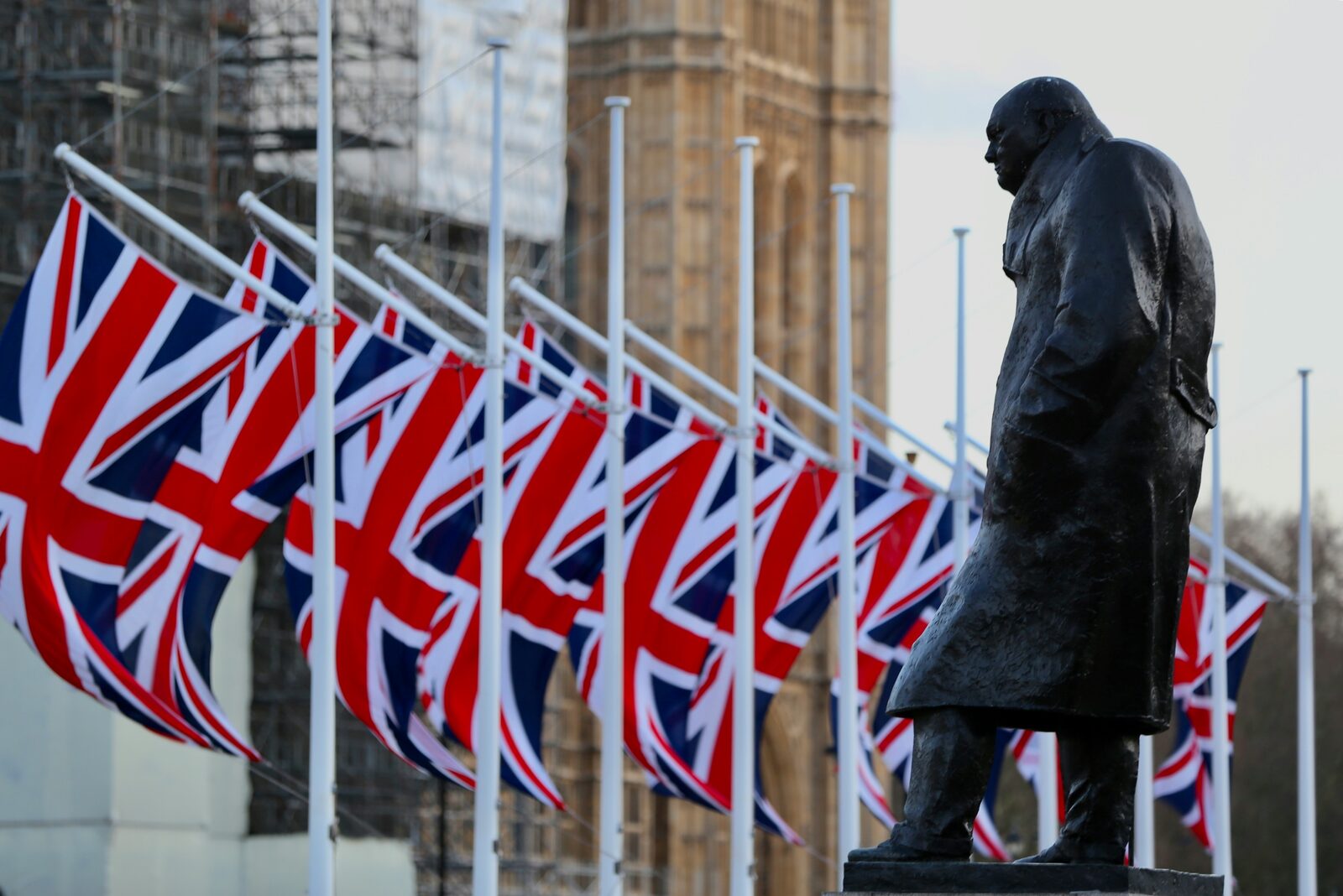
Descend into Churchill's secret wartime bunker — preserved just as it was left on 16 August 1945. Entry to the Cabinet War Rooms and the Churchill Museum in one ticket.
When the lights went out in the Map Room on 16 August 1945, the rooms sat untouched for nearly four decades. IWM opened them to the public in 1984 — you now walk exactly where Churchill's war cabinet did.
The historic Cabinet War Rooms and the award-winning Churchill Museum sit under one roof. Plan at least two hours — you'll want the full walk.
Steps from Big Ben, Downing Street, Westminster Abbey and St James's Park. Combine easily with a Westminster Abbey ticket and save 5% with the combo.


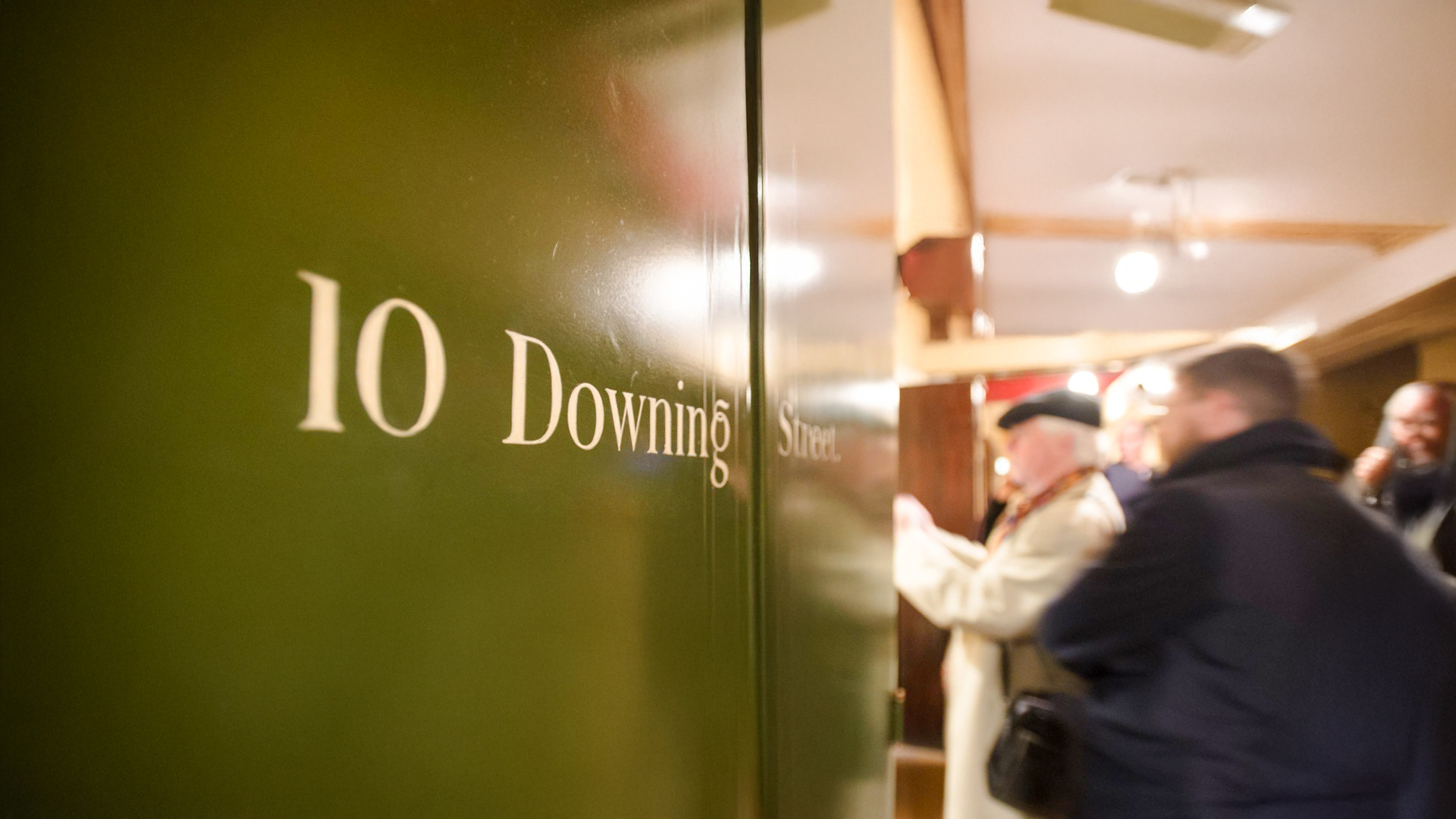
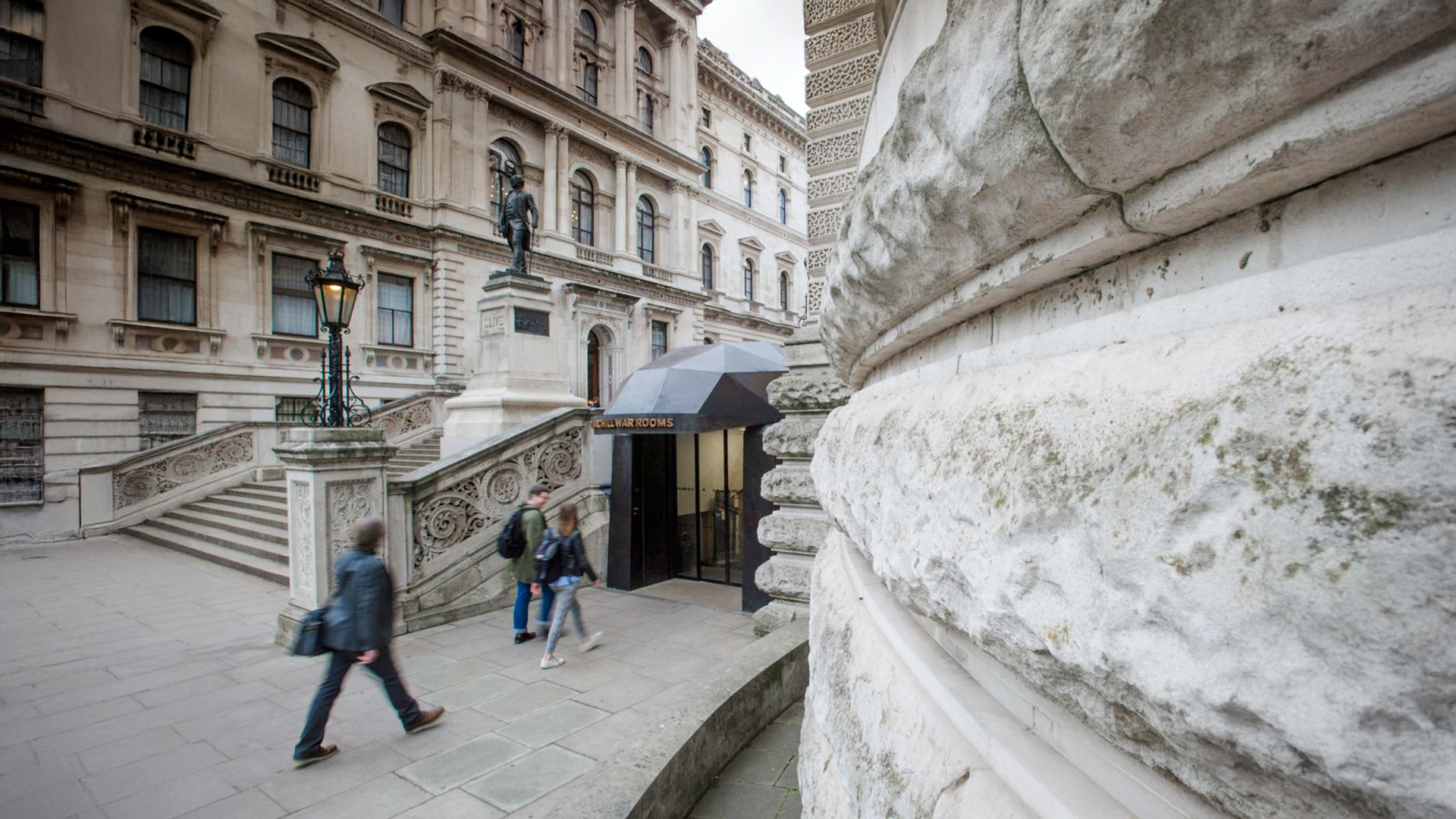
Britain's coronation church and Churchill's wartime bunker on one ticket — 5 % off vs booking separately. Both walkable in a morning. Over 77,000 bookings make this the most-picked way to visit both.
Prices refresh hourly from official partner APIs. We only earn if you book — that funds this comparison.
| Provider | Ticket | Price | Rating | |
|---|---|---|---|---|
|
Best price
Headout
|
Standard entry ticket
No audio
|
£34.00 | Book | |
|
Headout
|
Entry + Political London Audio Tour
With audio
|
£46.00 | Book | |
|
Headout
|
Guided Tour: CWR + Westminster
Guided
|
£65.00 | Book | |
|
−5 %
Headout
|
Combo: Westminster Abbey + Churchill War Rooms
With audio
|
−5 % | Book | |
|
GetYourGuide
|
Entry + Political London Audio Tour
With audio
|
£34.00 | Book | |
|
Official IWM
Imperial War Museums
|
Adult · walk-in / official site
|
£34.00 | — | Book |
The Cabinet Room table was built for confrontation: three seats face the Prime Minister's chair directly, forcing the heads of Army, Navy and Air Force to argue their case eye to eye with Churchill.
The switchboard operators and typists were civilian women. During the Blitz many of them slept between shifts in the "Dock" — the cramped sub-basement below the War Rooms.
Sun lamps stood in the corridors — staff stripped to underwear between shifts to fight vitamin-D shortage underground.
Three sugar cubes were found in a drawer of the Map Room decades later — a Wing Commander's wartime ration hidden away.
A hand-drawn caricature of Hitler sits on a wall map in the Chiefs of Staff Conference Room to this day.
A small unmarked room housed the Transatlantic Telephone Room — a SIGSALY-encrypted line that let Churchill speak securely with President Roosevelt.
Churchill broadcast four wartime speeches live from a small bedroom in the bunker. Engineers were told to cut the line if any speaker deviated from the script — an order Churchill was, of course, allowed to break.
Churchill's War Cabinet met here 115 times — most often during the Blitz and the later German V-weapon offensive.
Weather boards hung in the main corridor to keep staff underground informed. During air raids, they were changed to "windy" as a running joke.
“The museum itself was incredible. So informative and unbelievably well preserved. One of those places you simply have to visit.”
“I'm a history lover with a particular interest in the Second World War. […] Walking through the underground bunker was fascinating.”
“All the instructions from the provider were clear and well organised. The war rooms were very interesting.”
“My husband and I were completely blown away from start to finish. […] We could have spent four hours or more in there.”
“I find the history of this place and of the people who lived in it fascinating.”
“Very well laid out and very comprehensive too. Highly recommended for anyone interested in history.”
Daily 9:30–18:00, last entry 17:00. Closed 24–26 December. Occasional extended summer opening — check the IWM page before you go.
The adult ticket costs £34 — this applies both at the official IWM counter and via Headout. Children 5–15 pay half; under-fives are free.
The Imperial War Museums officially recommend at least two hours. Most visitors stay 90 minutes to two and a half hours between bunker and Churchill Museum.
Address: Clive Steps, King Charles Street, London SW1A 2AQ. Nearest Tube stations St James's Park and Westminster (both a 3-minute walk). Whitehall bus lines 11, 24, 87, 88 and 159 stop nearby.
Suitcases and large bags are not permitted, and there is no cloakroom on site. The closest luggage storage is at Charing Cross Station.
Yes — step-free entry with lift access to the historic route. A small number of side spaces have residual steps; the IWM accessibility page has the complete detail. Some corridors are deliberately dimly lit for atmosphere.